
The California Legislature is racing toward adjournment, and the bills still moving through the Capitol right now could reshape lawsuit exposure for every restaurant, retailer, contractor, and service firm in the state. Here is what you need to know about the private right of action California landscape before the final gavel drops and bills land on Governor Gavin Newsom’s desk.
Key Takeaways
- New private rights of action buried inside late-session floor bills introduced with little public debate can dramatically raise lawsuit exposure, insurance costs, and compliance pressure for small businesses overnight.
- Climate spending, competition policy, data center rules, and liability expansions are the four policy buckets where private enforcement tools are being debated in 2026, directly affecting operating costs for restaurants, retailers, contractors, and service firms across California.
- CalOSBA supports 4.3 million small businesses in California with resources and regulations, and a trusted small business advocate in Sacramento can help owners interpret fast-moving bills and organize responses before the midnight deadline.
- With real-time bill tracking, coalition pressure, and strategic storytelling, small businesses can still shape outcomes before the Governor signs or vetoes legislation. Firms like Kabateck Strategies translate Sacramento complexity into action plans for Main Street.
- More than half of the Legislature is termed out this cycle, making lawmakers especially responsive to organized business voices in the final days.
How The 2026 End-of-Session Crunch and Floor Bills Introduced Affect Small Businesses
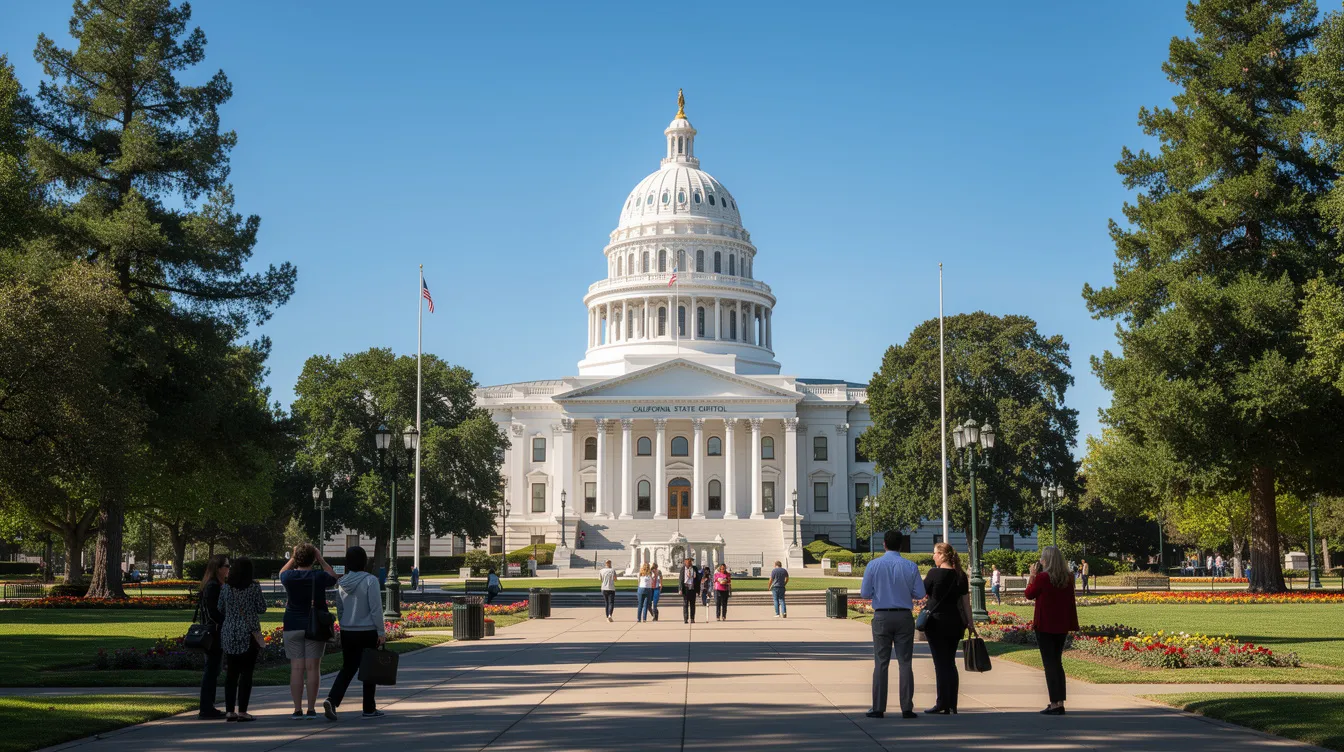
Late August and early September 2026 are when the Legislature races to pass bills introduced earlier in the year, many containing or expanding a private right of action in California, toward Governor Gavin Newsom’s desk during his last day as the state’s chief executive. The deadline pressure is real: floor votes, concurrence decisions, and conference committee negotiations can change the rules for your business faster during this stretch than at any other point in the year.
What does “Governor’s desk watch” mean in practice? Once a legislative measure clears both the Assembly and the Senate, the Governor has 30 days to sign, veto, or allow it to become law without his signature. But the critical window is right now, when bills can be amended at the last minute on the floor, sometimes adding enforcement provisions or new private rights of action that open the door to lawsuits by individuals, competitors, or advocacy groups.
- For small businesses already managing high labor, energy, and insurance costs, one new private lawsuit hook can mean tens of thousands of dollars in legal exposure overnight. A single demand letter can cost thousands to resolve, even if no case is ever filed.
Kabateck Strategies monitors these final-session maneuvers daily in Sacramento and translates them for small businesses in Los Angeles, San Diego, and across the state.
Private Right of Action California: What It Actually Means
A private right of action allows individuals to file lawsuits for legal violations without waiting for a government agency to act. In California, express statutory authorization is the most direct way to establish a private right of action, and courts typically require clear statutory language. The California Legislature must explicitly intend to create a private right of action; California does not automatically grant private rights of action for all statutes. Legislative intent can be inferred from statutory language and legislative history, and implied private rights of action require a strong indication of that intent. Standing is required for a private right of action, meaning plaintiffs must demonstrate legal injury. Common law principles also provide routes for private lawsuits even without a statutory right of action, and California may require administrative exhaustion before pursuing a private right of action. A statute’s administrative enforcement can limit or negate the possibility of a private right of action entirely.
Consider what happened when technical compliance rules met private enforcement in recent court decisions. In one 2026 appellate case, a plaintiff sued an employer for technical errors in a disclosure form required during onboarding. No large monetary harm existed beyond the paperwork mistake, but because the statute carried a private right of action, statutory damages of at least $10,000 per claim kicked in automatically. That kind of exposure reaches every employer using consumer reports, regardless of size.
California statutes that currently use private enforcement include:
- The Private Attorneys General Act (PAGA), which allows employees to sue for labor code violations on behalf of others
- California’s Unfair Competition Law, which allows individuals to sue for unlawful business practices
- The California Consumer Privacy Act, which grants consumers a specific private right of action for data breaches
- Individual claims under civil rights statutes like the Unruh Civil Rights Act, which are permitted in California
- Proposition 65 and certain environmental standards
Even when a law targets dominant players, its private right of action often reaches every business in the supply chain, including small manufacturers, franchise owners, and independent retailers. Kabateck Strategies views lawsuit abuse and frivolous litigation as a standing concern and positions itself as a small business advocate that helps Main Street reduce unnecessary legal exposure while complying with the law.
Four 2026 Policy Buckets Where Private Enforcement Is Heating Up
Four high-impact categories define the private right of action landscape in California this session: climate spending and energy rules, competition and monopoly policy, data centers and tech regulation, and broader liability expansions. Here is what small businesses should watch in each bucket.
Climate and energy. Mid-2026 fights over the state’s main climate fund could cut available program dollars significantly, while utility wildfire liability bills and greenhouse gas reduction mandates create new penalty structures. The risk for small businesses is that environmental or consumer groups could sue non-compliant firms directly, turning a regulatory standard into a litigation trigger for contractors, small manufacturers, and building operators.
Competition and monopoly policy. Anti-monopoly legislation (AB 1776, the COMPETE Act) passed the Legislature in late May 2026, originally with a provision letting private plaintiffs sue for anti-competitive single-firm conduct. August amendments stripped the private right of action, limiting enforcement to the Attorney General and district attorneys. But the bill still expands what counts as prohibited conduct, and future legislation could reintroduce private enforcement at any time.
Data centers and tech. Bills like SB 886, SB 978, and AB 2383 address data center siting, power demand, and environmental reporting. Current language centers on regulation and permitting, not private lawsuits. But business groups remain vigilant that late amendments might add civil liability provisions for community or consumer plaintiffs, raising both compliance and cyber-liability exposure for companies that handle customer data.
General liability expansions. Bills addressing workplace safety, health mandates, or consumer disclosures can quietly include private attorney enforcement provisions. Over 9,000 PAGA actions were filed in 2024 and 2025 despite recent reforms, demonstrating that volume is rising even as the Legislature aims to impose procedural guardrails. Restaurants, contractors, and retailers remain one demand letter away from litigation over technical violations in pay stubs, seating requirements, or disclosure forms.
Kabateck Strategies groups these into watchlists for clients and ties each category to real-world financial risks, not just Capitol headlines.

How Private Rights of Action Hit the Small Business Bottom Line
When a new private enforcement provision becomes law, the impact shows up fast: higher insurance premiums, increased settlement pressure, time pulled away from running the business, and chilled hiring or investment decisions. A successful plaintiff can recover actual damages or statutory damages under certain statutes, and those amounts stack up quickly across multiple employees or customers.
Consider these scenarios:
- A small restaurant faces class-action-style claims over technical wage statement errors. Under PAGA, penalties can accumulate per pay period, per violation, across every employee.
- A local retailer gets pulled into a data privacy lawsuit because a vendor mishandled customer information. The CCPA’s private right of action for data breaches does not require proof of large financial harm.
- A contractor faces an environmental challenge over building upgrades or emissions reporting triggered by climate legislation that invites private enforcement.
Even when a case never reaches trial, responding to a demand letter or settlement request can cost thousands of dollars. California’s attorney’s fees provisions and statutory damages ensure that the financial risk is real regardless of the outcome.
Kabateck Strategies focuses on preventing these costs upstream by helping associations and coalitions fight for clearer rules, safe harbors, cure periods, and agency-led enforcement instead of open-ended private lawsuits.
Key Players In The Final Days: Who Still Has Power To Change These Bills
In the last week of session, bill language and outcomes rest with Assembly and Senate leadership, fiscal committees, policy committees, conference committees, and ultimately Governor Gavin Newsom’s office. Lobbying influences legislation in California’s state capitol, and small businesses are represented in legislative discussions through lobbying that happens at every level.
Leadership and committee chairs negotiate last-minute amendments that can either insert or remove private rights of action, often in side-room meetings hours before a floor vote. The Governor’s legal team and policy advisers conduct a quiet desk watch, flagging which private enforcement provisions might invite waves of litigation or send the wrong signal to employers. California’s legislative calendar shapes public policy decisions in ways most business owners don’t see until it is too late.
Because more than half of the Legislature is termed out this cycle, many members are thinking about their future role, making them especially responsive to organized small business voices and media attention in these final days. Kabateck Strategies’ Sacramento-based team stays in constant contact with legislative offices, allied associations, and local partners statewide.
How Small Businesses Can Track Bills In Real Time
You do not need a full-time lobbyist to follow the most important bills that could introduce or expand a private right of action in California in 2026. But you do need a system.
Start by bookmarking a California small business legislative tracker that provides curated, small-business-focused updates on key bills. Kabateck Strategies maintains exactly this kind of resource. Here is a quick guide to the stages that matter most:
| Stage | What It Means |
|---|---|
| Committee hearing | The bill is debated and voted on in a subject-specific committee |
| Floor vote | The full Assembly or Senate votes on the bill |
| Concurrence vote | The originating house votes to approve or reject the other house’s changes |
| Enrollment | The bill is sent to the Governor for signature or veto |
Set up basic alerts by bill number through the Legislature’s public site so you can see when amendments are posted that might add private enforcement clauses. Look for phrases like “a person may bring a civil action” or “private right of action.”
Kabateck Strategies’ Kaba-Text newsletter, California LIVE Podcast, and KABATALKS episodes frequently flag late-session developments. Use these channels as part of your monitoring routine to ensure you hear about changes before they become law.
Rapid-Response Advocacy: What To Do When A Bill Suddenly Moves
Picture this: a bill you barely noticed all year is suddenly on the floor, with a new private right of action added in a late amendment, and you have days to respond. This is not hypothetical. It happens every session, and the businesses that respond fastest win.
Here is a rapid-response playbook:
- Identify the bill and amendment. Find the latest text and confirm what changed.
- Assess impact. Quantify how the provision would affect your operations, costs, and hiring.
- Connect with your network. Reach out to your local chamber, trade group, or coalition partner immediately.
- Deliver a targeted message. Contact your legislator’s district office with a one-page story that quantifies potential impacts on jobs, prices, hours, and expansion plans. Concrete detail carries more weight than generic ideology.
For a deeper resource on delivering targeted messages while the clock is running, consult the final advocacy guide from Kabateck Strategies’ session.
Media relations is crucial for influencing public policy, and engaging with media can amplify small business voices far beyond a single phone call. Effective media engagement can mobilize stakeholders in California, and strategic storytelling enhances those media relations efforts. Media engagement also helps underrepresented groups gain visibility when they need it most.
Coalitions should coordinate media outreach, op-eds, and social media campaigns to put real faces to the issue. Digital campaigns can reach millions of users instantly; social media platforms have over 4.5 billion active users globally. Engaging content increases social media shares by 94%, video content is shared 1200% more than text and images combined, and social media campaigns can boost brand awareness by 80%. Kabateck Strategies leads storytelling and media relations for coalitions that need to move fast.
The Role Of The California Office Of The Small Business Advocate (CalOSBA)
CalOSBA’s mission is to support California’s 4.3 million small businesses through technical assistance, capital access, and regulatory guidance. Since its creation, CalOSBA has aimed to democratize access to capital for small businesses and has raised $4.1 billion in equity from 2018 to 2025. CalOSBA supports economic growth for California’s small businesses and offers resources and regulations that help owners navigate compliance challenges, including those enforced by private lawsuits. The California Office of the Small Business Advocate also supports lobbying efforts that bring small business concerns into the legislative conversation.
CalOSBA and allied programs, such as the Business Learning Center and heat preparedness initiatives, do not write laws directly. But they can help owners understand new statutory requirements, surface patterns in small business complaints, help shape administrative guidance, and connect owners with local partners who can advocate on their behalf.
Kabateck Strategies regularly collaborates with CalOSBA-aligned networks, local chambers, and small business centers to turn education into coordinated advocacy when lawsuit risk or compliance burdens spike. A sophisticated small business advocate in Sacramento can interpret CalOSBA resources and blend them with on-the-ground legislative strategy, especially in the final weeks of session.
Building Coalitions To Push Back On Lawsuit-Heavy Bills
No single café, contractor, or retailer can move a Capitol vote alone. But coalition building helps underrepresented groups influence public policy, and a coalition is stronger when each member brings a real business story to the advocacy effort, helping similar businesses, associations, and community allies change or pause bills that over-rely on private rights of action.
CalChamber’s Policy Council amplifies small business voices in legislation, and CalChamber’s Small Business Policy Council includes local chamber CEOs in its advocacy efforts. CalChamber advocates for small business priorities in the Capitol and amplifies small business voices in legislative discussions. California has 4.3 million small businesses, and when even a fraction of them speak together, legislators listen.

Kabateck Strategies builds coalitions that unite restaurants, independent retailers, contractors, and nonprofits under a simple message: protect jobs, keep neighborhoods vibrant, and curb frivolous litigation.
- Map aligned organizations interested in the same outcome.
- Agree on a concise message that ties the issue to community impact.
- Choose spokespeople who can offer real-world stories, not talking points.
- Coordinate outreach to key legislators in swing districts.
Digital and social media strategies managed by Kabateck Strategies can amplify coalition stories during the critical end-of-session window, catching the eye of both lawmakers and the Governor’s staff. Well-organized coalitions can also support good bills, such as those that rein in abusive lawsuits or create clearer, agency-led enforcement.
Looking Beyond 2026: Governor’s Desk Decisions And The Next Policy Era
Governor Newsom’s 2026 signing and veto decisions will set the tone for how aggressively California relies on private enforcement in the late 2020s, just as the state prepares for a new Governor and major legislative turnover. Small businesses should see this session not as the end, but as groundwork for the next policy landscape. Kabateck Strategies’ Governor race small business playbook and California governor race business outlook content offer a starting point for thinking about what comes next.
Attorney General enforcement priorities, judicial appointments, and future ballot measures could either multiply or moderate the impact of private rights of action adopted in 2026. Associations and coalitions that invest now in long-term strategy, including leadership positioning, media presence, and relationship building with future statewide candidates, will be better positioned for the next legislative cycle.
California will remain challenging. But small businesses that stay informed, organized, and proactive can help shape a legal environment that rewards economic growth and job creation instead of constant litigation. That is the opportunity worth fighting for.
How Kabateck Strategies Supports Small Businesses On Private Right Of Action Issues
Kabateck Strategies is a street-smart Sacramento insider firm that helps small businesses, associations, and nonprofits understand and navigate private right of action California proposals before they become law. The firm’s services intersect directly with lawsuit risk and enforcement debates:
- Coalition building and mobilization
- Association strategy and leadership positioning
- Storytelling and media relations
- Digital advocacy campaigns
Kabateck Strategies collaborates with trusted lobbyists and legal experts to analyze whether new bills will invite frivolous lawsuits, raise insurance premiums, or create confusing overlapping enforcement regimes. If you see a bill that could create or expand a private right of action affecting your industry, or if you want help building a united front before end-of-session deadlines, schedule a consultation today.
Subscribe to the Kaba-Text newsletter and follow Kabateck Strategies on social channels for real-time Capitol updates that keep your business one step ahead.
Frequently Asked Questions
These questions address common follow-up concerns small businesses raise about private rights of action and end-of-session advocacy.
Is every California business automatically covered by new private rights of action?
Coverage depends on how each statute defines covered businesses, but many consumer, employment, and competition laws are written broadly enough that even very small employers or single-location retailers qualify. Have counsel or a knowledgeable advocate review applicability thresholds like revenue, employee counts, or industry codes rather than assuming small size equals exemption.
Can a private right of action ever benefit small businesses?
Yes. In competition and monopoly cases, private rights of action can give small firms legal tools to challenge genuinely anti-competitive conduct by dominant players. However, Kabateck Strategies pushes for balanced enforcement structures that prevent abuse and do not expose small firms to excessive counterclaims or retaliatory litigation.
What is the difference between agency enforcement and a private right of action?
Agency enforcement means investigations and penalties brought by state entities like the Labor Commissioner or Attorney General, usually with built-in discretion and guidance. Private rights of action allow individual plaintiffs and their attorneys to file civil suits directly, often with statutory damages and attorney’s fees that can escalate quickly and unpredictably.
How do I know if a late amendment added a private enforcement provision to a bill I am watching?
Check the latest bill text and amendment history on the Legislature’s public site. Scan for phrases like “a person may bring a civil action” or “private right of action.” Better yet, work with Kabateck Strategies or a trade association that monitors these changes daily and can flag new enforcement language immediately.
Where should I start if my business has never engaged in advocacy before?
Start by joining a local chamber, industry association, or regional coalition that already monitors Sacramento and can plug you into coordinated campaigns. Reach out to Kabateck Strategies for guidance on first steps: telling your story effectively and connecting to broader efforts that can turn one small voice into a powerful, statewide message for small businesses.