

Governor Gavin Newsom’s final signing window closed on September 30, 2026. For California small businesses, the most useful question is not how many headlines came out of Sacramento. It is which late-session decisions actually change the playing field. This California legislative roundup focuses on the final signings and vetoes that matter most to owners, trade groups, and advocates planning for permitting, competition, technology policy, and the next round of Capitol fights.
Key Takeaways
- Governor Newsom’s late-September actions included a business-focused package aimed at competition, vacant storefront activation, faster permitting, commercial financing protections, and small-business technical assistance.
- The most practical changes for Main Street are the new local pop-up permit requirement for certain vacant storefront uses, faster tenant-improvement review tools, and expanded options to use qualified third-party or professional review in some permitting situations.
- California also strengthened parts of its artificial intelligence framework, including independent AI oversight and AI auditor standards, while continuing to add child-safety and youth-platform protections.
- Several bills were vetoed on September 27, including measures involving insurance transparency, public-employee retirement benefits, and small-business procurement liaison requirements. Those vetoes matter because they signal where policy debates may return in revised form.
- For small businesses, the best next move is practical: check local implementation timelines, review any pending build-out or expansion plans, and stay organized through trade groups or coalitions before 2027 implementation fights begin.
What Changed In Newsom’s Final 2026 Signing Window?
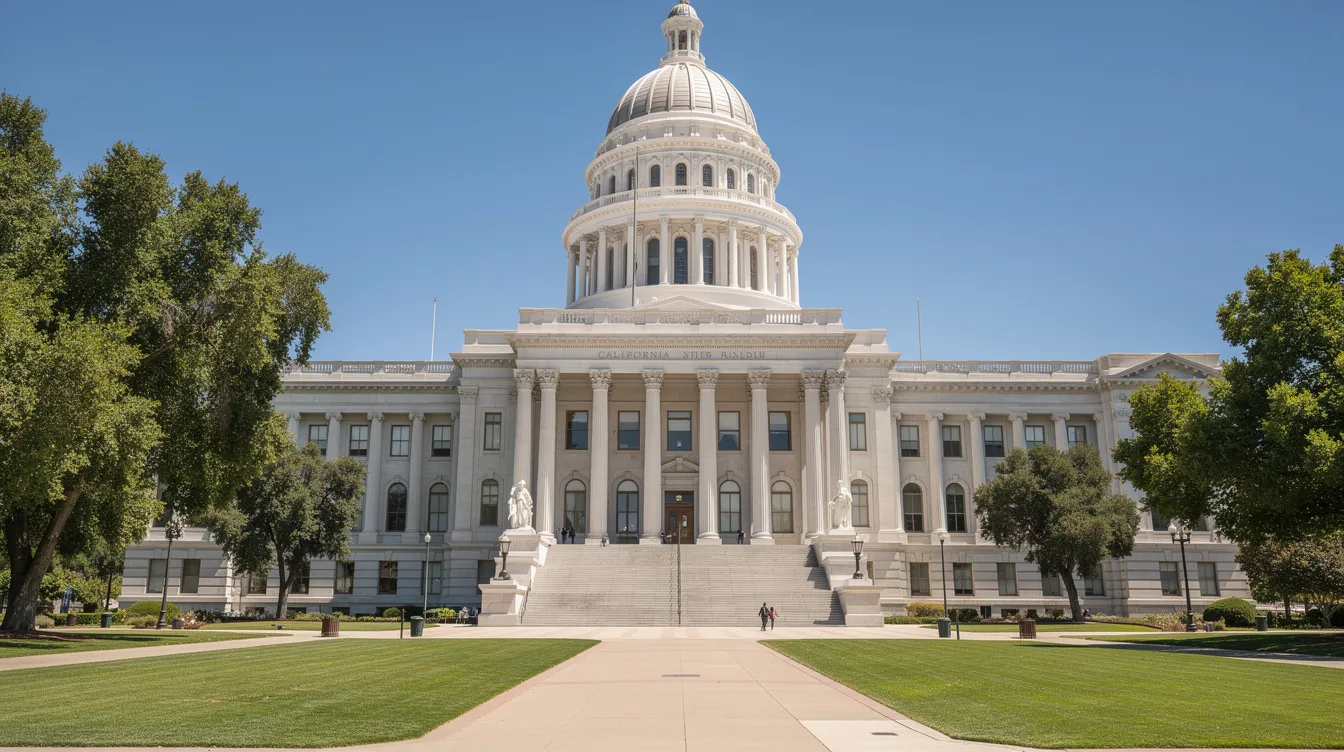
California’s constitutional deadline gave the Governor until September 30, 2026, to sign or veto bills sent to his desk at the end of the regular session. In his final days of action, Newsom signed measures spanning business permitting, competition policy, technology oversight, and other statewide issues. For small-business readers, though, the strongest signals came from two places: the September 30 package on competition and permitting, and the late-September veto list that showed which proposals did not make it through.
This matters because end-of-session bill action is rarely just a scorecard. It is also a roadmap. Signed bills tell you what California agencies and local governments will soon implement. Vetoes show which ideas may return, narrowed or repackaged, under the next administration or in the next session.
This post keeps the focus tight. Rather than summarizing every bill in the session, it translates the final decisions most relevant to California small businesses into plain-English takeaways.
Competition And Permitting: The Strongest Small-Business Signal
On September 30, 2026, Governor Newsom signed a package the administration framed around stronger competition and easier business entry. For many owners, this was the most practical part of the final signing window because it addressed two daily pain points: getting space activated and getting permits approved.
Here is what that package included:
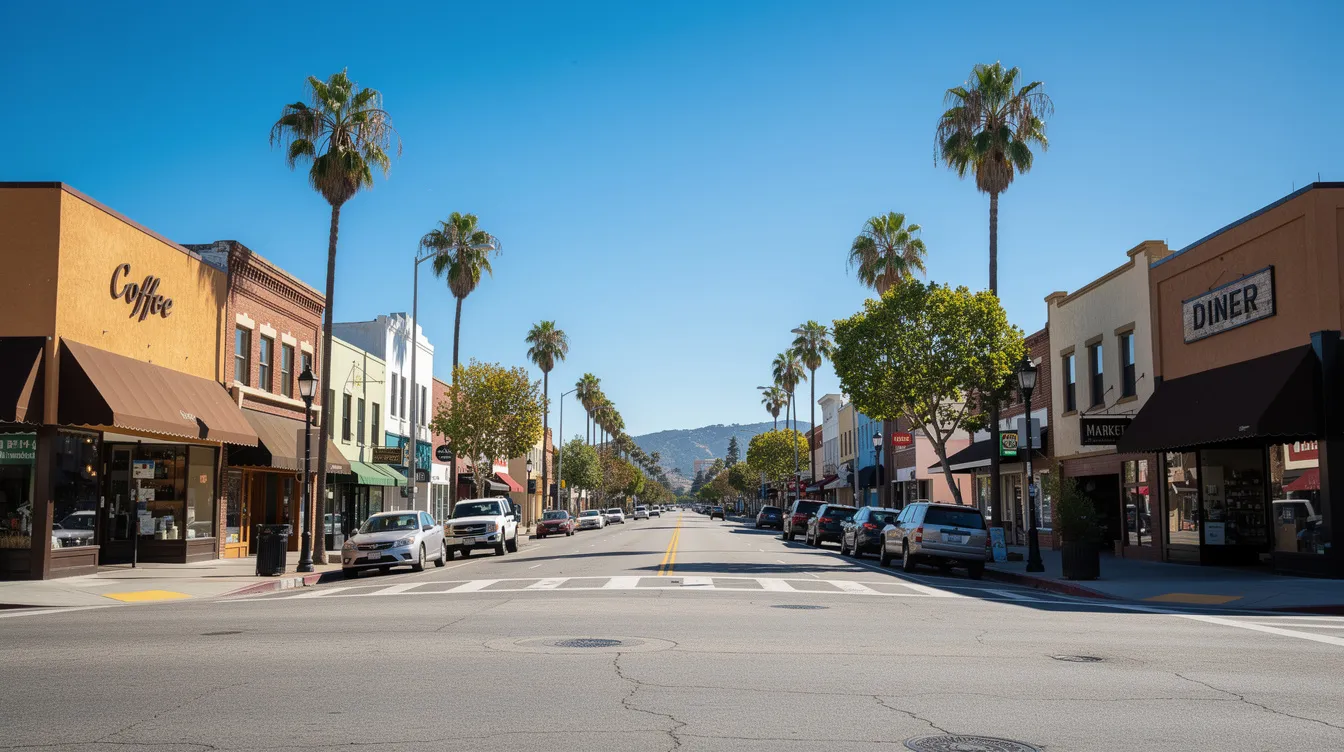
- Pop-up permits for vacant storefronts: Cities must create a permit allowing pop-up businesses to operate in vacant stores for up to 120 days. That could give retailers, seasonal operators, and first-time entrepreneurs a lower-risk way to test a market before committing to a long lease.
- Faster tenant-improvement permitting: For qualifying small-business tenant-improvement permits, local governments must provide a plan-check timeline. When review is excessively delayed, specified small businesses may use approved third-party plan checkers.
- Professional certification for certain improvements: Some tenant-improvement projects can move faster because qualified architects or engineers may review and certify compliance with life-safety, health, and building-code requirements.
- Stronger competition enforcement: AB 1776 updates California’s antitrust and consumer-protection framework and gives the Attorney General and district attorneys additional authority aimed at monopolistic behavior, while the Governor’s office said the law also includes protections for small businesses.
- Commercial financing protections: AB 2116 targets abusive practices in commercial financing.
- Technical assistance support: AB 685 supports providers offering free or low-cost consulting and training to help small businesses start, grow, and navigate compliance.
- Cocktails to go: AB 2663 allows restaurants and bars to continue offering cocktails to go, preserving a flexibility many hospitality operators value.
The practical takeaway is simple: if you have a vacant-space opportunity, a planned remodel, or a delayed tenant-improvement project, now is the time to ask your city how it plans to implement these changes. State law may create the framework, but local departments will determine how helpful or frustrating the real-world process becomes.
Readers who want more context on how Sacramento bottlenecks shape business rules before they reach the Governor’s desk can review Kabateck’s post on using 2026 committee bottlenecks to protect your bottom line.

What Storefront Activation Could Mean For Main Street
Vacant storefronts are not an abstract planning problem. They affect foot traffic, neighborhood confidence, and whether smaller operators can afford to experiment. A 120-day pop-up permit will not solve California’s commercial vacancy challenges by itself, but it can create a more realistic on-ramp for businesses that need lower-commitment options.
That matters for several kinds of operators:
- Retailers testing a new district before signing a long lease
- Seasonal or holiday concepts that only need short-term space
- Food or specialty businesses trying to build demand before a permanent opening
- Merchant corridors looking for faster ways to reduce dark storefronts
The real policy fight now shifts to local implementation. Cities can still shape fees, documentation, timing, insurance expectations, and location rules. That is why small businesses, landlords, and merchant groups should not treat the signing as the finish line. It is the starting gun for city-level rulemaking and process decisions.
AI, Oversight, And Technology Rules: Another Important End-of-Session Signal
Newsom’s final September actions also reinforced California’s push to regulate AI and related technology risks. For small businesses, the big lesson is not that every employer suddenly faces a brand-new AI compliance regime. It is that California is continuing to build a framework that expects more oversight, more accountability, and less blind reliance on automated systems.
Among the most notable measures highlighted by the Governor’s office:
- SB 813 creates a framework for certifying independent verification organizations that can assess AI systems and models for safety and risk.
- AB 1405 creates a state registry for AI auditors and sets standards for independence, transparency, and integrity.
- California also signed child-safety measures involving AI companions and related products, along with protections tied to youth use of online platforms.
- The Governor’s office also highlighted legislation restricting addictive platform features for users under 16, including autoplay and algorithmic feeds based on user history and profiles.
For a small business, the immediate operational point is narrower than the statewide rhetoric. If you use AI-related tools in hiring, marketing, customer interactions, or workplace management, this is a reminder to inventory those tools, understand what vendors promise, and avoid assuming automation removes your responsibility. California is signaling the opposite: the more AI is involved, the more oversight is expected.
That fits with Kabateck’s broader coverage of practical AI adoption for small employers. If this issue is high on your list, readers may also want to review existing Kabateck content on small-business AI use and other Sacramento technology developments.
The Vetoes Worth Watching
Signed bills get the attention, but vetoes often tell you just as much about where future fights are headed. On September 27, 2026, the Governor’s official legislative update included vetoes on a range of measures, including:
- AB 1054, dealing with a deferred retirement option program and public employee health benefits
- SB 877, on residential property insurance loss-estimate transparency
- SB 878, on insurance business practices
- SB 1340, involving small-business liaison contract information and procurement participation
These bills do not all affect small businesses the same way. But together they show that even in a busy final stretch, the Governor was willing to block measures tied to administrative burden, cost, or policy design concerns. That does not mean the underlying issues disappear. It usually means supporters will try again with new language.
For trade associations and organized employer groups, the real message is this: do not treat a veto as permanent closure. Treat it as advance notice that the next draft may be coming.
What California Small Businesses Should Do Now
After this California legislative roundup, the smart response is not information overload. It is a short action list.
- Check with your city or county. Ask when local staff expect to implement the new pop-up permit and any related tenant-improvement timelines.
- Review active projects. If you have a remodel, build-out, or expansion in progress, ask whether the new permitting tools could help reduce delay.
- Inventory your tech tools. Make a basic list of AI-enabled systems used in hiring, operations, or customer-facing functions so you know what could be affected by future guidance.
- Track unresolved policy issues. Insurance, procurement access, and other vetoed subjects may return quickly in revised form.
- Stay plugged into a coalition or trade group. The biggest implementation fights often happen after the signing ceremony, when agencies and local governments start interpreting the law.
If you are still in the late-session planning mindset, Kabateck’s earlier post on legislative advocacy in the session’s final days is a useful companion because it explains how these Governor’s desk decisions fit into the bigger Sacramento calendar.
How Kabateck Strategies Can Help
Kabateck Strategies helps California small businesses, trade associations, and advocacy organizations turn Capitol activity into practical strategy. That can include tracking implementation, building coalitions around permitting and cost issues, shaping media narratives, and helping underrepresented business voices show up early, not after the rules are already written.
For readers trying to make sense of Newsom’s final 2026 actions, the hopeful takeaway is this: California is still a hard place to do business, but it is not unreadable. Owners who organize early, ask specific questions, and engage the process before local rollout hardens will be in a stronger position than those who wait for surprises.
If your business or association needs help responding to new laws, preparing for the next governor’s agenda, or building a united front around implementation, Kabateck Strategies can help you get your voice heard.
Frequently Asked Questions
Below are answers to common questions about this topic.
When Do These New Laws Take Effect?
Many bills signed in late September 2026 will take effect on January 1, 2027, unless they contain an urgency clause or a different effective date. Business owners should confirm the specific effective date of any bill they plan to rely on before making lease, staffing, or construction decisions.
Will Every City Handle The New Pop-Up Permit The Same Way?
No. State law creates the basic framework, but cities and counties will still shape local forms, timelines, fees, and conditions. That is why early outreach to planning and building departments matters.
Do Small Businesses Need To Panic About The AI Bills?
No. The better response is organization, not panic. Start by understanding which tools you use, what they do, and whether your team relies too heavily on automated outputs for sensitive business decisions.
Why Pay Attention To Vetoes If The Bills Failed?
Because vetoes are policy signals. They show which proposals stalled, which arguments did not land, and which issues are likely to reappear in modified form during the next session.
What Is The Best First Step After Reading This Roundup?
If permitting or expansion is on your radar, call your local planning or building department first. If broader compliance or advocacy strategy is the issue, connect with your trade association or a Sacramento public-affairs partner so you are not tracking 2027 changes alone.